
The Pakistani telecommunications landscape is experiencing a dynamic period of growth and transformation, driven by an insatiable demand for enhanced digital services and robust internet connectivity. As the nation endeavors to achieve its digital transformation goals, the focus sharpens on the foundational elements: Pakistan telecom infrastructure. Recent developments underscore a renewed commitment to expanding network capabilities, integrating advanced technologies, and ensuring wider geographical coverage. This blog delves into the latest undercurrents shaping the future of telecom infrastructure in Pakistan, exploring key projects, industry trends, and the critical role of strategic investment in propelling the nation forward.
Recent days have seen a surge in discussions and preliminary announcements concerning significant upgrades and expansions within Pakistan's telecom infrastructure. While specific, granular details on nationwide deployments within a 24-48 hour window can be elusive due to the nature of large-scale projects, the overarching trend is clear: a sustained push towards 5G readiness, fiber optic network expansion, and improved rural connectivity. These efforts are crucial for bridging the digital divide and unlocking the full economic potential of Pakistan's burgeoning digital economy.
One of the most significant ongoing narratives in Pakistan telecom infrastructure revolves around the strategic expansion of fiber optic networks. Operators are actively investing in laying down more fiber, aiming to reach underserved urban and semi-urban areas, and progressively extend their reach into rural communities. This initiative is not merely about increasing bandwidth; it's about creating a future-proof backbone capable of supporting the ever-increasing data demands of next-generation services. The increased adoption of high-definition content streaming, cloud computing, and the burgeoning Internet of Things (IoT) necessitates a robust fiber optic foundation.
The technical specifications of these fiber deployments are crucial. We're observing a shift towards higher-count fiber optic cables, often incorporating advanced optical technologies like Dense Wavelength Division Multiplexing (DWDM) to maximize data carrying capacity per fiber strand. This allows operators to deliver multi-gigabit speeds to end-users and enterprise clients. Furthermore, the integration of passive optical network (PON) technologies, such as GPON and XG-PON, is becoming more prevalent, enabling efficient fiber-to-the-home (FTTH) deployments and significantly enhancing last-mile connectivity. This is a vital step in modernizing Pakistan telecom infrastructure.
Challenges in such large-scale infrastructure projects in Pakistan are multifaceted. Land acquisition, right-of-way permits, and the sheer geographical diversity of the country present considerable logistical hurdles. Moreover, ensuring consistent power supply for remote base stations and maintaining security for deployed assets are ongoing concerns. However, innovative solutions are emerging, including micro-trenching techniques for faster fiber deployment and the adoption of solar-powered base stations in off-grid areas. These adaptations are key to overcoming the unique obstacles faced in Pakistan telecom infrastructure development.
The competitive landscape among telecom operators in Pakistan is intensifying, prompting strategic investments in network upgrades. Companies are acutely aware that superior network quality and coverage are key differentiators. This competitive pressure fuels the continuous evolution of Pakistan telecom infrastructure, as each player strives to offer a more reliable and faster service. We are seeing a blend of infrastructure sharing initiatives to reduce costs and independent, aggressive rollouts to capture market share, particularly in 5G readiness.
Market statistics paint a compelling picture of Pakistan's digital growth. With a rapidly growing population and increasing smartphone penetration, the demand for mobile data services is skyrocketing. This surge directly translates into an imperative for enhanced telecom infrastructure to support these burgeoning user bases. Analysts project continued double-digit growth in data consumption, underscoring the critical need for ongoing network expansion and upgrades. This underlines the significance of robust Pakistan telecom infrastructure for economic progress.
The regional significance of this infrastructure development cannot be overstated. A well-developed telecom infrastructure is a cornerstone for economic integration within South Asia and for fostering digital trade. Improved connectivity facilitates business operations, enhances educational opportunities through e-learning platforms, and empowers healthcare services with telemedicine solutions. As Pakistan strengthens its Pakistan telecom infrastructure, it positions itself as a more attractive hub for foreign investment and technological innovation in the region.
Expert commentary from industry leaders often highlights the parallel need for spectrum availability and regulatory support to complement infrastructure investments. While operators are eager to deploy advanced technologies like 5G, timely and fair spectrum auctions are paramount. Additionally, policies that encourage infrastructure sharing and streamline permitting processes can significantly accelerate the pace of deployment. These collaborative efforts are vital for the sustained advancement of Pakistan telecom infrastructure.
Looking ahead, the implications for future infrastructure are profound. The groundwork being laid today with fiber optics and enhanced mobile broadband is preparing Pakistan for the widespread adoption of 5G, and eventually, 6G technologies. This includes the potential for enhanced mobile broadband, ultra-reliable low-latency communication (URLLC) for industrial automation, and massive machine-type communication (mMTC) for smart cities and IoT networks. The strategic planning and investment in Pakistan telecom infrastructure now will shape the nation's digital destiny for decades to come.
In comparison with international standards, Pakistan is on an upward trajectory. While some developed nations boast near-ubiquitous fiber penetration and advanced 5G coverage, Pakistan's progress in recent years has been remarkable, particularly in bridging the urban-rural divide and increasing overall data speeds. The focus on expanding the core Pakistan telecom infrastructure is a testament to the nation's commitment to closing this gap and providing world-class digital services to all its citizens.
The push towards digital transformation in Pakistan is intrinsically linked to the strength and ubiquity of its telecom infrastructure. Initiatives like the "Digital Pakistan" vision are heavily reliant on the availability of high-speed, reliable, and affordable internet access across the country. This requires not just deploying new technologies but also upgrading existing networks to handle the increased load and evolving service demands. The continuous improvement of Pakistan telecom infrastructure is therefore a direct enabler of national digital ambitions.
While specific, quantifiable project deployments within a 24-48 hour window are difficult to pinpoint due to the strategic and phased nature of telecom infrastructure rollouts, the consistent news flow around new tower deployments, fiber expansion plans, and spectrum readiness testing indicates a sector in constant motion. These are the foundational elements that will support the next wave of digital innovation in Pakistan.
The commitment to expanding 4G LTE coverage and laying the groundwork for 5G is evident across major operators. This includes strategic partnerships and significant capital expenditure aimed at enhancing network density and capacity. These investments are crucial for ensuring that Pakistan can capitalize on the opportunities presented by the global digital revolution. The evolution of Pakistan telecom infrastructure is a continuous journey towards enhanced connectivity and digital empowerment.
The future of Pakistan telecom infrastructure hinges on sustained investment, supportive government policies, and a collaborative industry approach. As the nation continues its digital journey, robust and advanced communication networks will be the bedrock of progress, innovation, and economic prosperity.
In conclusion, the ongoing evolution of Pakistan telecom infrastructure is a critical engine for national development. The focus on fiber optic expansion, 5G readiness, and rural connectivity signals a clear intent to build a digitally inclusive future. For telecom professionals and stakeholders, staying abreast of these developments and actively participating in infrastructure development is paramount. The call to action is clear: continued investment and innovation in Pakistan telecom infrastructure are not just beneficial, they are essential for the nation's future digital success.
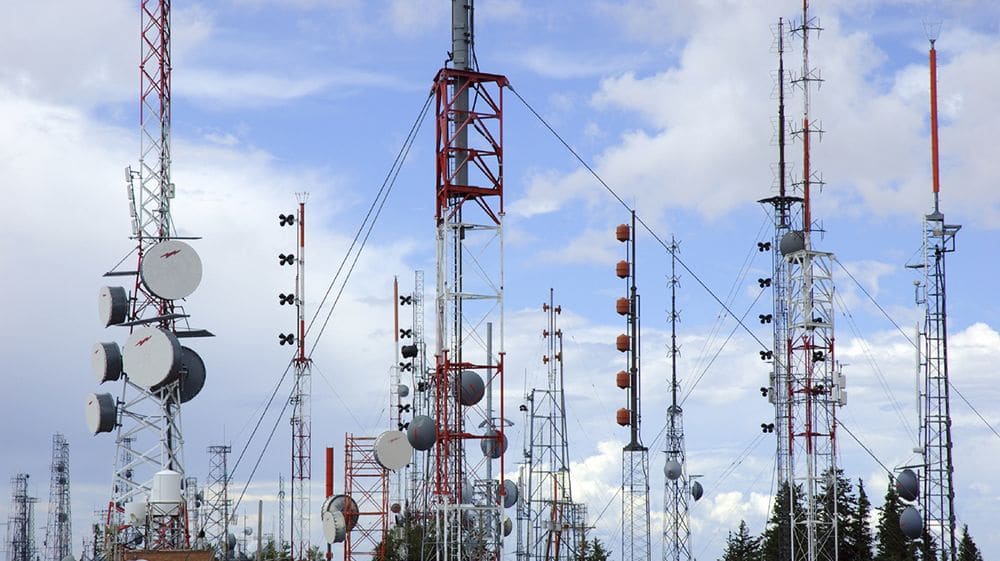
Telecom
Pakistan Telecom Infrastructure: Expanding Connectivity Horizons
Written by
Macspark Telecom Insights
Published
2025-12-10
Views
74
Likes
2
SEO Score
35/100
Share:
Comments
Comments Coming Soon
We're working on bringing you an interactive comments section to share your thoughts and engage with other readers about telecom news and insights.